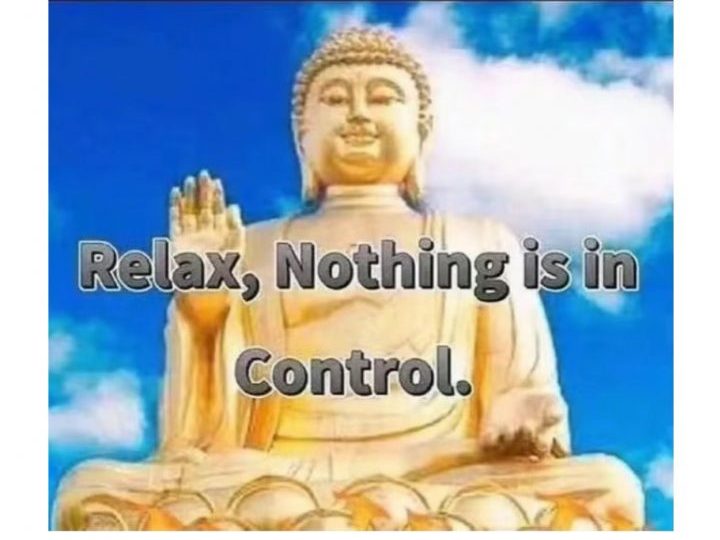
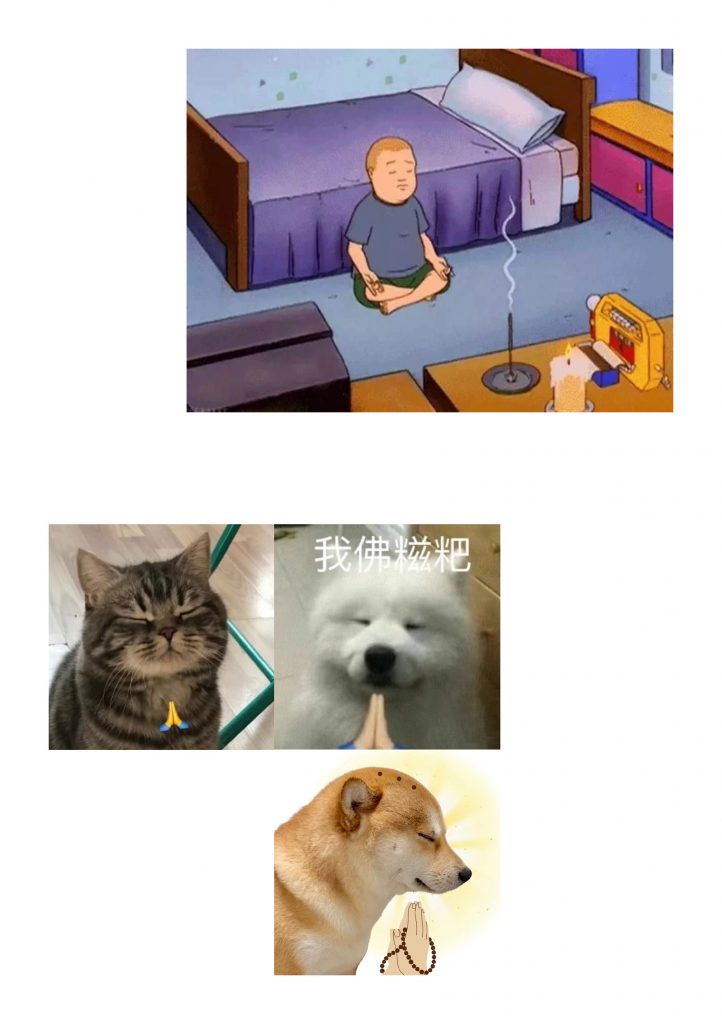
In the Chinese context, Buddha-Like youth mainly refers to people in their 20s or 30s who are pursuing a peaceful lifestyle in a fast-paced society. Despite being labeled as a “Buddhist mindset,” the term does not have a lot to do with Buddhist traditions. Instead, it refers to a laissez-faire attitude by which one does not take on any responsibility and just goes with the flow in order not to waste any time on trivial things.
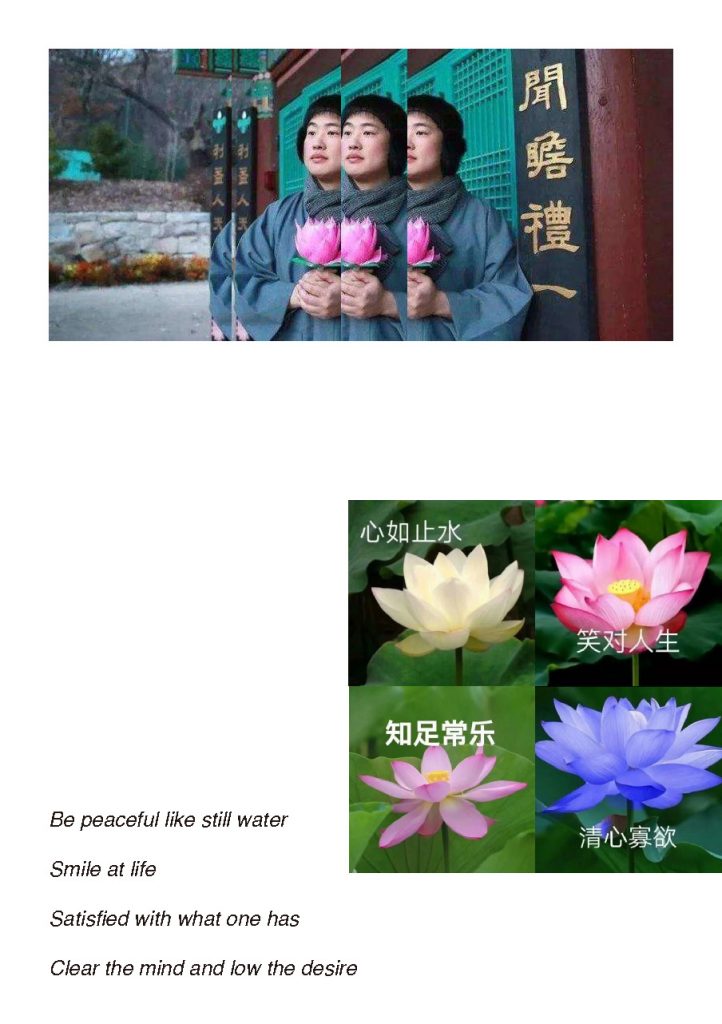
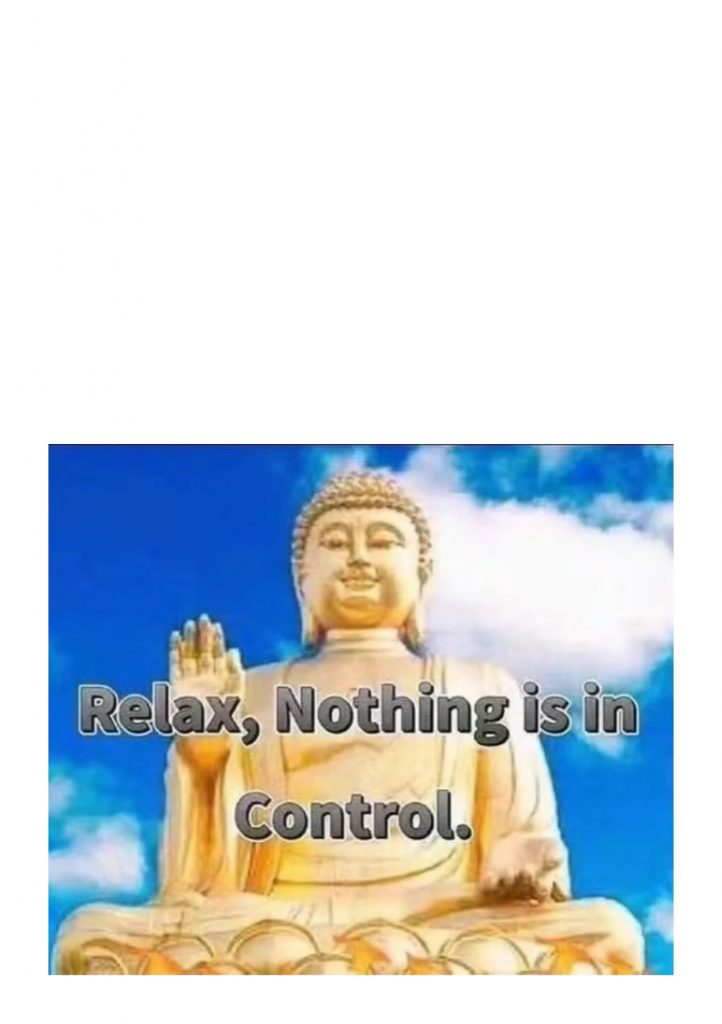
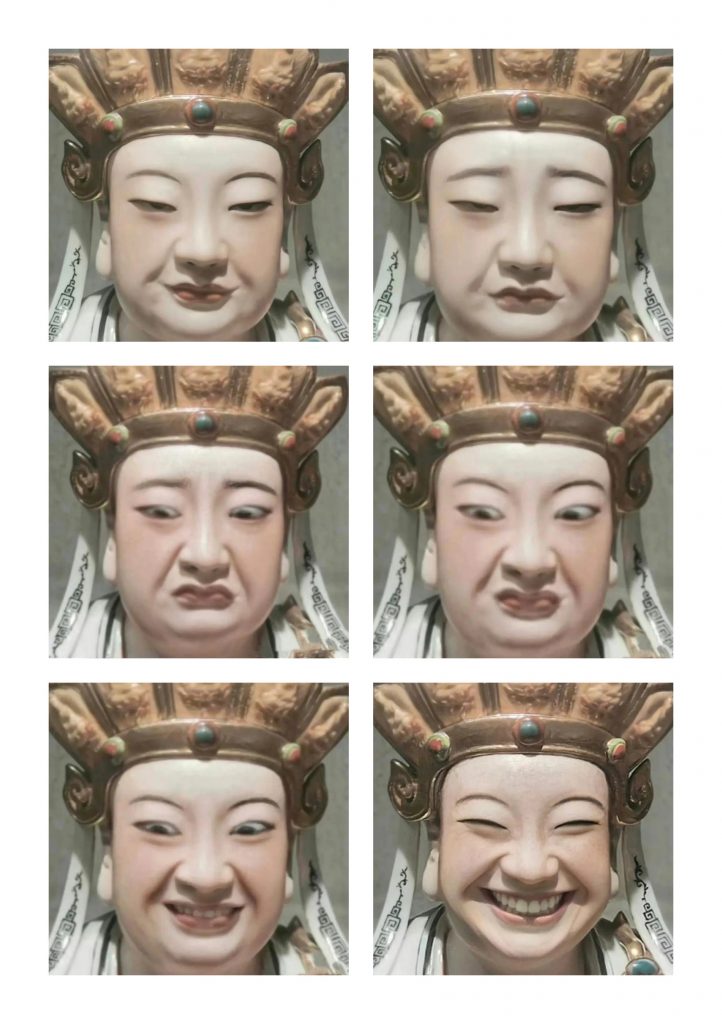
Young people who believe in Lying-Flat, are fed up with involution, do not buy into social expectations about marriage and children, and refuse to participate in the competitive struggle that starts as early as kindergarten — all about the upcoming exam, the best result, the top school, the promising job, the longest hours, the next promotion. By lying flat, Chinese young adults from middle and lower classes basically refuse to sweat over climbing higher up the social and economic ladder. They will only do the bare minimum and believe that upward social mobility has become an unattainable goal.
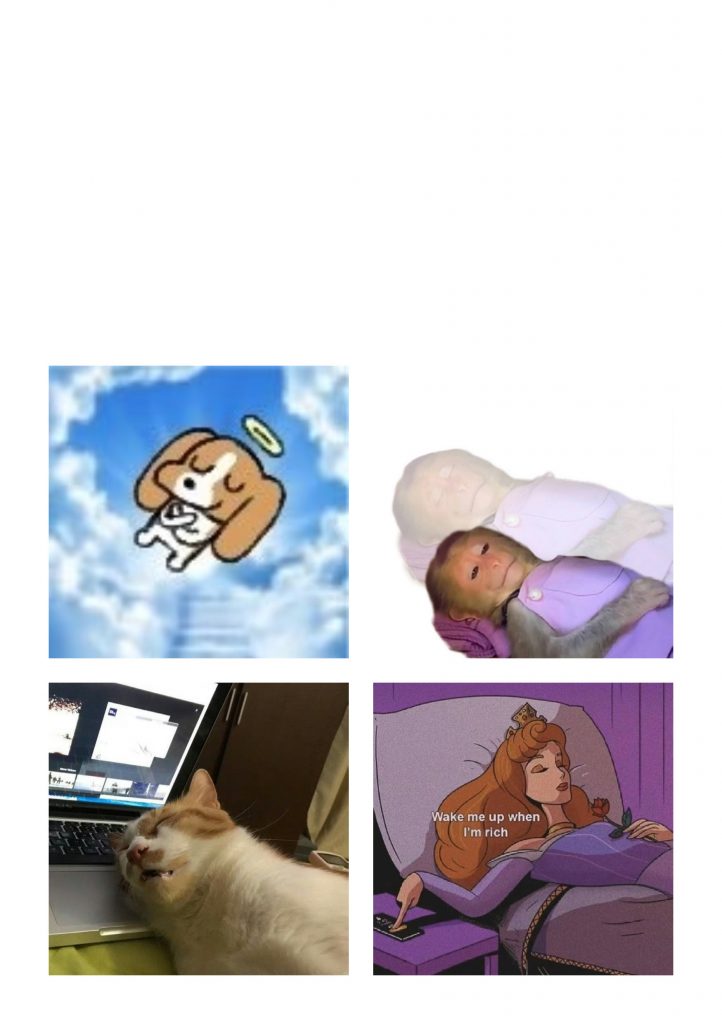
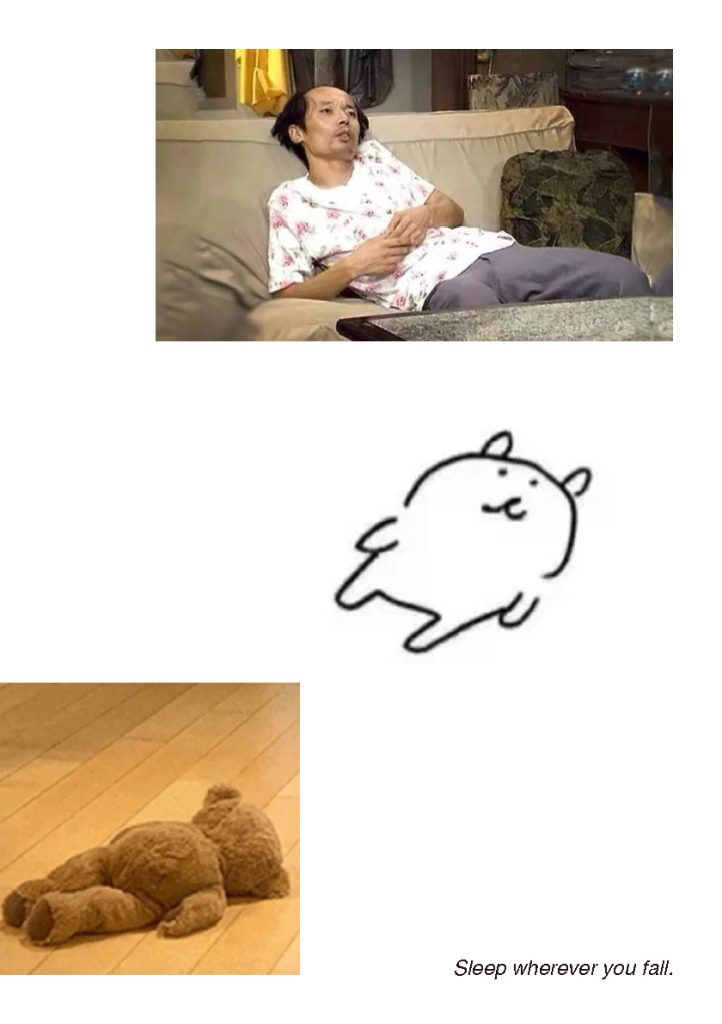
The parallel between the lying-flat attitude and cats has been drawn on extensively across Chinese social media with memes portraying cute cats lying flat on their back. By relating Lying Flat to pets, most posts highlighted an interesting pattern in the viral use of the concept: house cats as the epitome of lying-flat-ism.
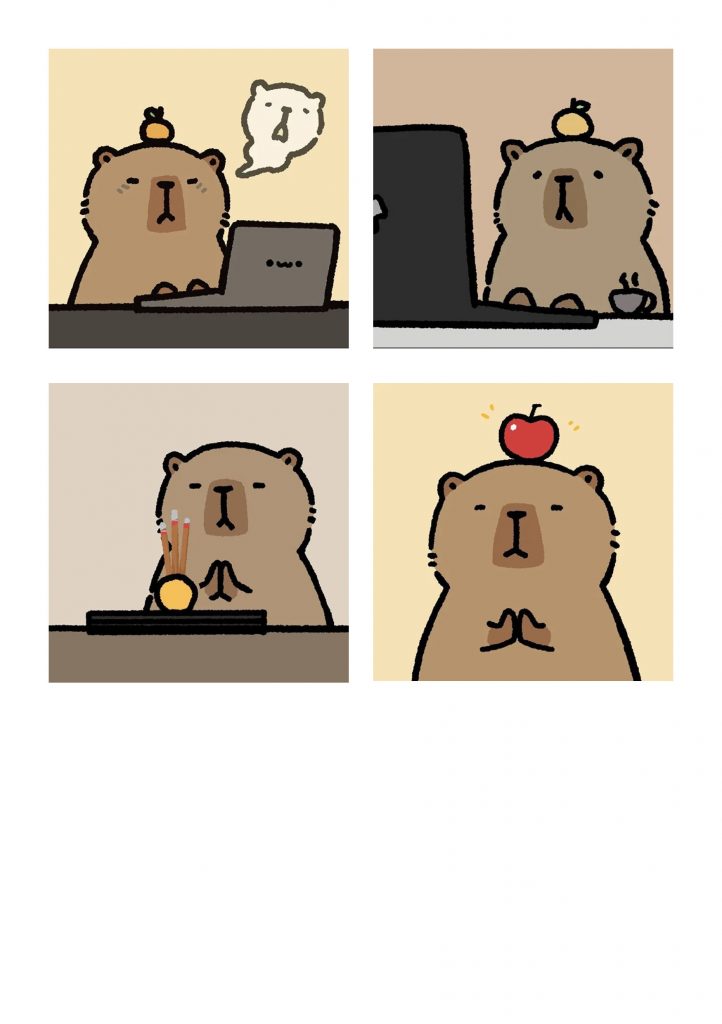
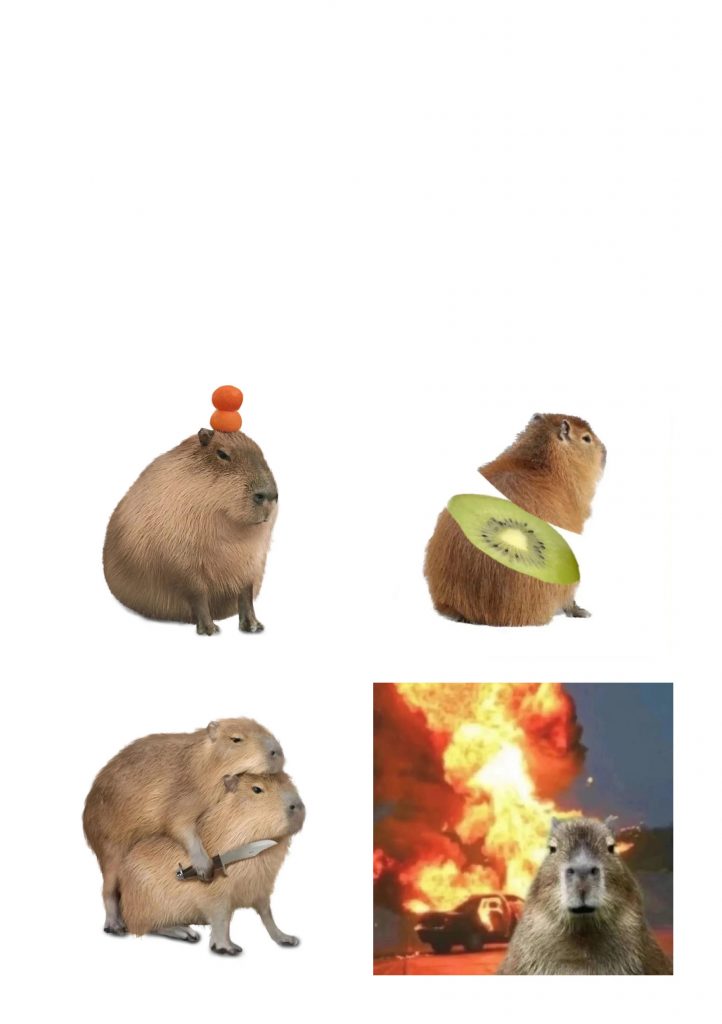
Capybaras’ innate calm projects an image of stoic composure that meme‑makers exploit to contrast with captions of frustration or absurdity. This mirrors how Chinese youth adopt Buddha-like postures—externally serene, internally restless—and use memes anonymously to voice what they cannot say openly. Memes of capybaras allow users to externalize personal anxieties via a cute proxy, fostering communal empathy without direct self‑exposure.
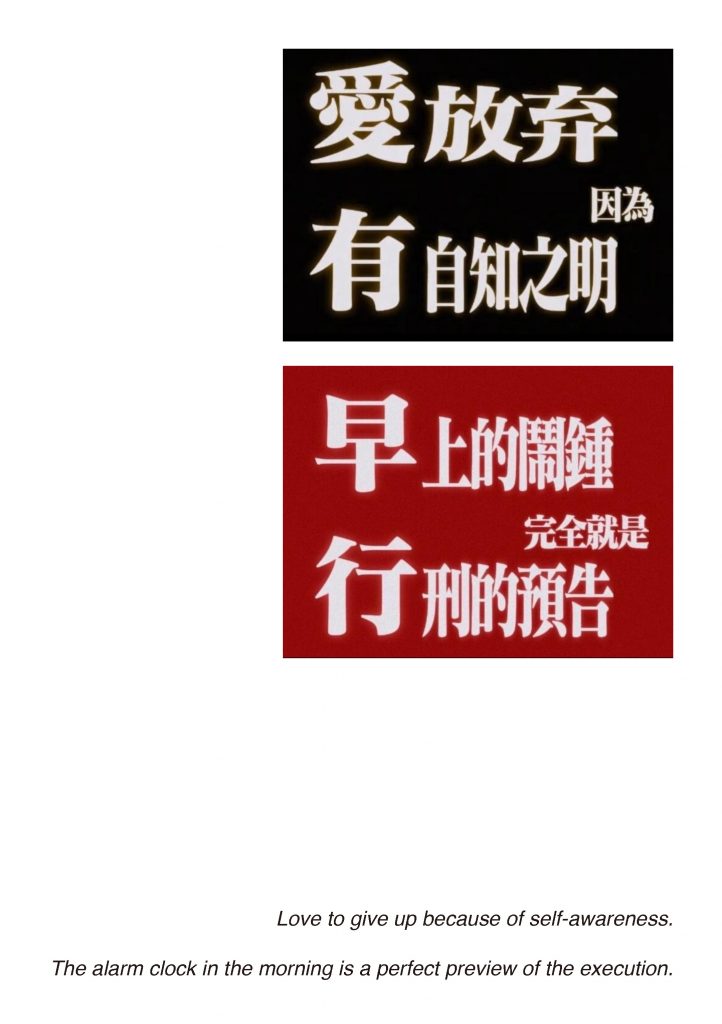
Evangelion-style title cards—white sans-serif captions over black backgrounds with a red accent bar—offer a low-barrier template that feels both familiar and subversive. Their typographic precision, high-contrast palette, and rigid three-line layout create a visual “straightjacket” that paradoxically underlines the teller’s inner chaos.
People usually type things like, “University, You ruined me” or “You’ve made me suffer terribly.”
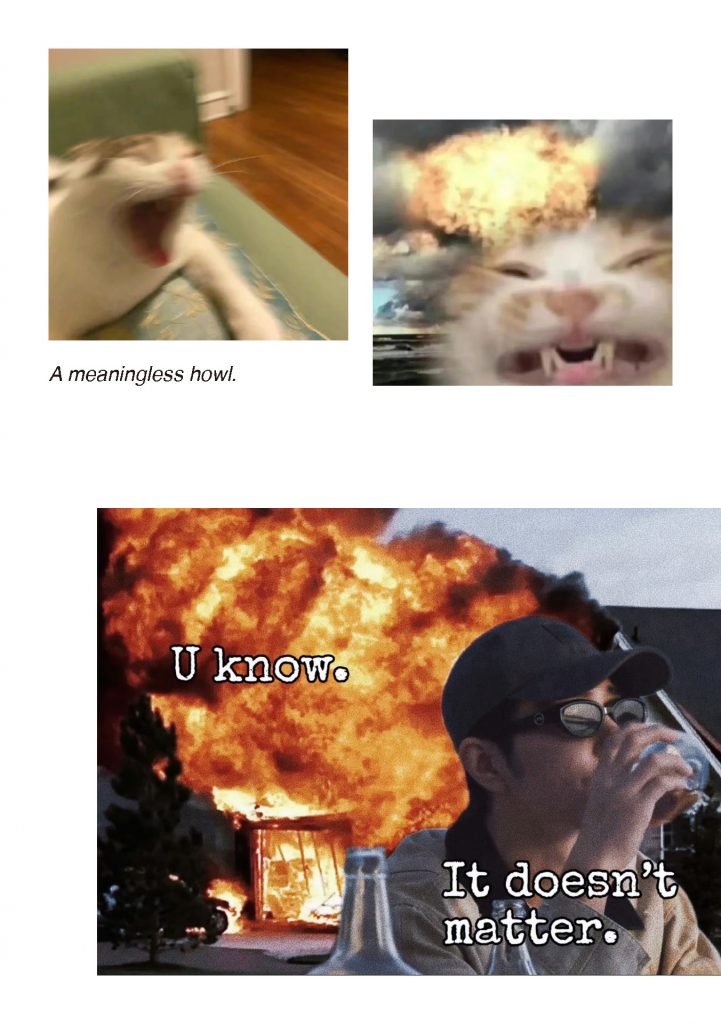
This Internet buzzword is commonly used to humorously express the feeling of extreme helplessness and depression caused by someone or something. Through the exaggerated use of the word, it achieves an ironic effect of calmness with a sense of “madness”.
Leave a Reply